
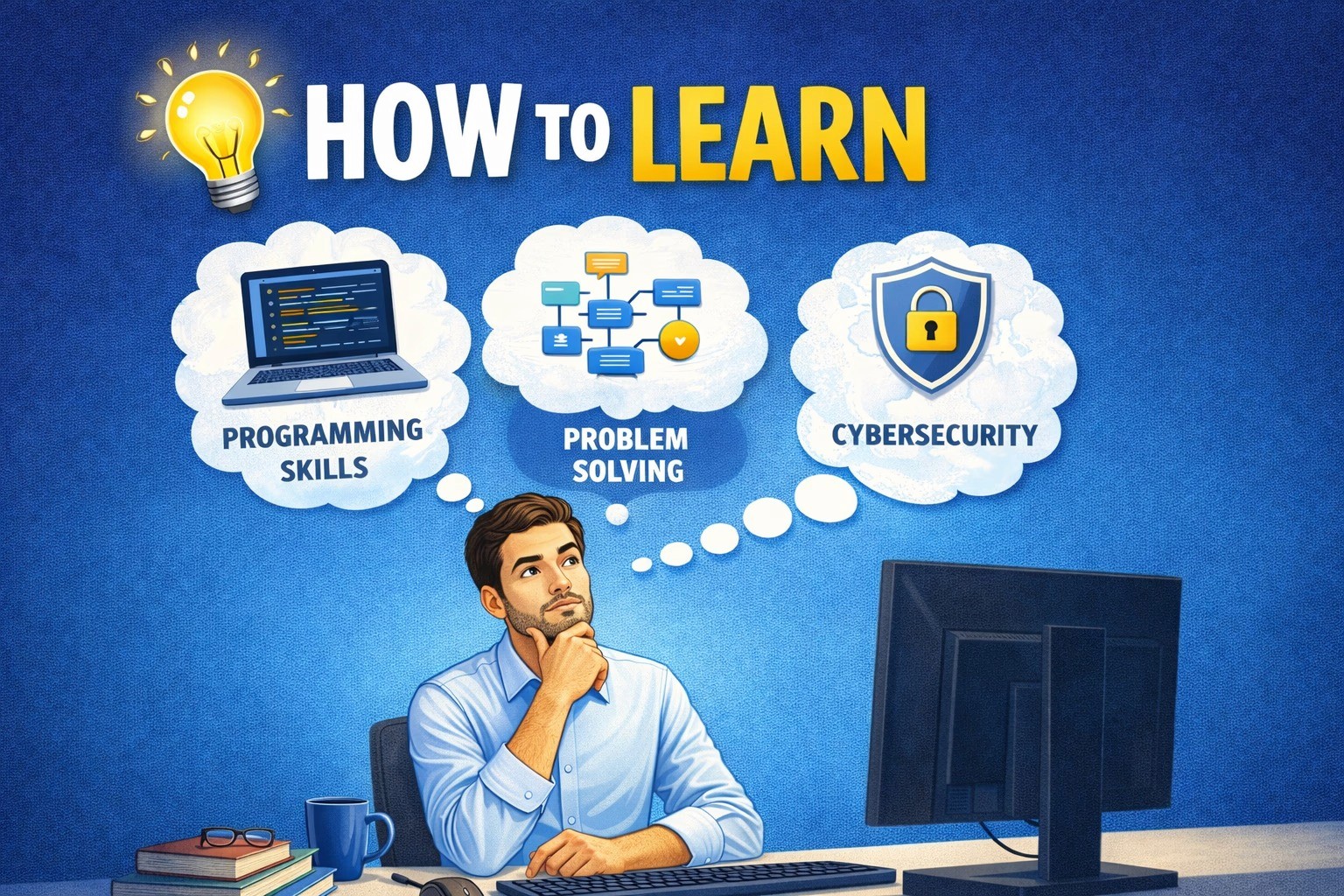
Introduction
Many IT freshers spend most of their time deciding which language, tool, or framework to learn next. While technical skills are important, there is another ability that matters just as much in the long run: the ability to learn effectively on your own.
Technology Changes Faster Than Any Syllabus
In the IT industry, especially in India, technologies and tools change faster than college syllabi or training modules. Companies understand this. That is why they don’t expect freshers to know everything at the start. Instead, they look for candidates who can pick up new skills quickly and independently.
Freshers Are Hired for Potential, Not Perfection
Freshers are hired for their potential, not perfection. Managers often think ahead and ask themselves whether a candidate will be able to handle new tools, unfamiliar problems, or changing requirements. Someone who knows how to learn adapts faster and grows more confidently on the job.
“How to Learn” Means More Than Watching Tutorials

Learning is not just about watching tutorials or completing courses. Real learning happens when you try things on your own, make mistakes, fix them, and understand why something works. This process builds problem-solving ability and self-trust, which are critical in real work environments.
Interviews Test Learning Ability More Than You Realise
Interviews also test this skill more than many freshers realise. When interviewers ask questions outside your direct experience, they are not testing memory. They are checking how you think, how you approach new problems, and how comfortable you are with learning something unfamiliar.
Learning How to Learn Builds Long-Term Confidence
Over time, knowing how to learn builds confidence. When you have repeatedly taught yourself new concepts, debugged issues, and figured things out independently, new tasks stop feeling intimidating. That confidence reflects in interviews, teamwork, and daily work.
How Freshers Can Build This Skill

In real jobs, this skill shows up through small but important behaviours—asking clear questions, breaking problems into steps, reading documentation, applying feedback, and improving steadily. These habits make freshers easier to train and more reliable team members.
Final Thought
Technical skills get you started.
Learning how to learn keeps you growing.
For freshers, this is one of the most important career skills you can build early. It helps you adapt, stay confident, and remain relevant—no matter how the industry changes.


